

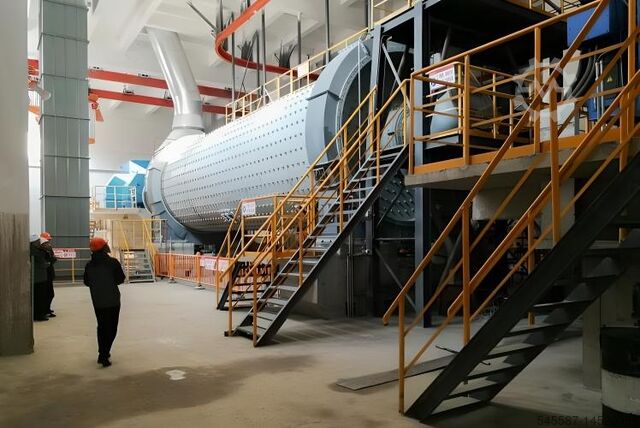
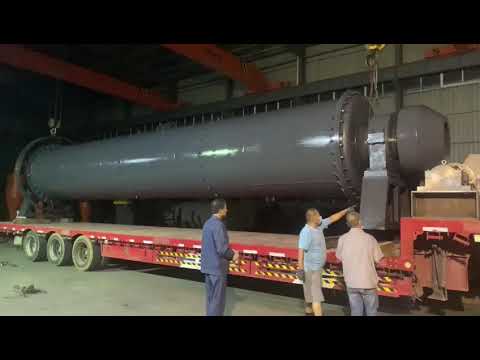
Mulliri i çimentos, fabrika e bluarjes së klinkeritClinker grinding mill / cement ball mill
cement grinding with air classifier






Të dhëna bazë
- Përshkrimi i makinës:
- Mulliri i çimentos, fabrika e bluarjes së klinkerit
- Prodhues:
- Clinker grinding mill / cement ball mill
- Viti i prodhimit:
- 2026
- Gjendje:
- i ri
- Funksionalitet:
- plotësisht funksionale
Çmimi & Vendndodhja
- Vendndodhje:
- Dahuangye Industrial zone, XinXing East RD, Gongyi, 451200 Zhengzhou, China
Detajet e ofertës
- ID e shpalljes:
- A14520358
- Përditësim:
- së fundmi më 06.03.2026
Përshkrim
Here are key features and information about cement clinker grinding mills:
1. Raw Materials:
- The main raw material for making cement is clinker, which is produced by sintering limestone and clay. Other materials such as gypsum, fly ash, or slag may also be added during the grinding process to achieve specific properties.
2. Grinding Process:
- The clinker and other additives are finely ground in the grinding mill to produce cement. The grinding process is a crucial step in cement production and contributes significantly to the final quality of the product.
3. Types of Mills:
- Ball Mills: Traditional ball mills are commonly used for grinding clinker. They operate by rotating a cylinder with steel grinding balls, causing the balls to fall back into the cylinder and onto the material to be ground.
- Vertical Roller Mills (VRM): VRM technology has become increasingly popular for clinker grinding. These mills use a rotating table with rollers to crush and grind the clinker, providing energy efficiency and a smaller footprint compared to ball mills.
4. Gypsum Addition:
- Gypsum is often added during the grinding process to control the setting time of the cement. It prevents flash setting of the clinker and facilitates the formation of a workable and pumpable cement paste.
5. Quality Control:
- Quality control measures, such as monitoring the fineness of the cement, chemical composition, and other properties, are implemented during the grinding process to ensure the final product meets the required specifications and standards.
6. Clinker Cooling:
- Before grinding, the clinker is produced by heating the raw materials in a kiln. The clinker is then cooled before entering the grinding mill to prevent excessive heat build-up during grinding.
7. Dust Collection and Environmental Considerations:
- Dust collectors and air pollution control systems are often employed to capture and control the dust generated during the grinding process, addressing environmental and safety concerns.
8. Packaging and Storage:
- After grinding, the cement is typically stored in silos before being packaged in bags or dispatched in bulk for distribution to construction sites or for sale in the market.
Cement clinker grinding mills play a crucial role in the cement production process, and advancements in technology continue to improve the efficiency and environmental sustainability of the grinding process.
Technical details
We have different options for different requirements, please contact our team for more info.
Ljdpfxoq Nfbhe Ac Eeah
Ofrues
I regjistruar që nga: 2024
50 Njoftime online

Dërgo kërkesë
Telefon & Faks


 Marano Vicentino
 A. COSTA RIGHIZEFIRO 2200


 Schorfheide
 Sonstige/OtherFrumecar EBA 1000


 Zheng Zhou Shi
 Rod ball mill / Rod Grinding MillFor Sand and mining beneficiation plant


 Osła
Osła HOLTEC


 Zheng Zhou Shi
 Ore beneficiation plant for gold copperOre dressing plant for zinc lead nickel


 Zheng Zhou Shi
 Batch Ball Mill, Silica grinding millQuartz ball mill, silica powder grinding


 Zheng Zhou Shi
 Abrasive Aluminium Oxide Grinding PlantMicrosilica powder Grinding Mill


 Zheng Zhou Shi
 Cement mill & Ultrafine Grinding MillFine Powder Grinding Plant


 Sulzbach-Laufen
 VolvoL120B


 Menslage
 ProminoxVillarobledoSudhaus

Vula e besimit Machineseeker
Çfarë është vula e besimit?
Machineseeker çertifikon shitës të përzgjedhur me vulën e besimit Machineseeker. Para dhënies, punonjësit me përvojë të Machineseeker kryejnë një kontroll të standardizuar dhe të plotë.
Çfarë kontrollojmë?

Kontrolli i
licencës tregtare ose ekstraktit nga regjistri tregtar
Verifikimi i
adresës postare të shitësit
Vlerësimi i
lidhjes bankare
Verifikimi i
aksesueshmërisë telefonike
të numrit kryesor
Informacioni ekonomik
nuk duhet të përmbajë tipare negative
Ankesat e blerësve
mund të çojnë në tërheqjen e vulësÇfarë do të thotë kjo për ju si blerës?
Falë vulës së besimit Machineseeker, si blerës mund të identifikoni shitës të besueshëm pa kontroll të vetin personal, të cilët me shumë gjasa bëjnë tregti të ndershme dhe të drejtë.
Sigurisht, gjatë procesit të blerjes mund të lindin mospajtime. Machineseeker nuk mban përgjegjësi për shkeljet ligjore nga blerësit ose shitësit aktivë në Machineseeker.